Programs, activities and areas of focus
Programs & Activities
The following sections describe relevant areas of inclusive sporting activity and community engagement.
They explain what each area means, how it can look in practice, and what accessibility questions matter. For information about what is currently available, please contact the association directly.
Inclusive Recreational Sports
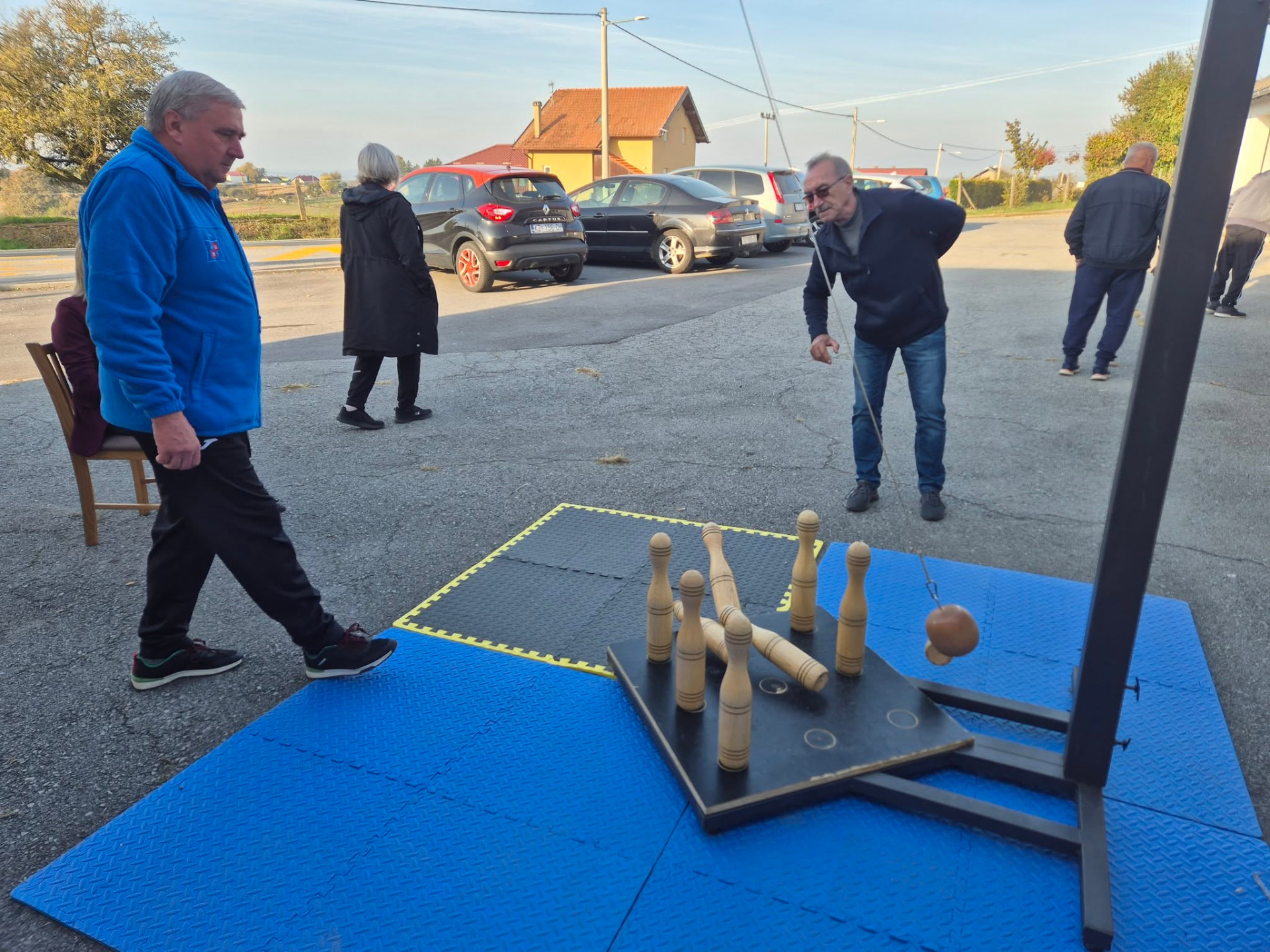
Inclusive recreational sport encourages participation in physical activities that can be adapted to different abilities and interests. Such activities may provide opportunities for movement, enjoyment, social interaction, and personal development.
Practical examples include target games such as skittles or bowling, table-based games, darts and other precision sports where rules and distances can easily be adjusted.
Accessibility considerations: step-free access to the playing area, seating for rest between turns, and rules that allow different starting positions.
Contact the associationAdaptive Physical Activity
Adaptive physical activity considers the needs and abilities of individual participants. Activities can be modified through appropriate equipment, accessible environments, alternative rules, and different levels of support.
Practical examples include seated variations of exercises, lighter or larger equipment, and shorter activity periods with more frequent breaks.
Learn about adaptive activityCommunity Sports Participation
Community-based sport can encourage connections between individuals, families, volunteers, and local groups. Inclusive participation can help challenge misconceptions about disability and promote greater understanding.
Practical examples include friendly games open to family members, mixed-ability teams, and shared social time before and after activity.
Community participationAccessible Recreation
Recreation should be available to people with different mobility, sensory, cognitive, and communication needs. Accessible planning helps create environments in which more people can participate.
Accessibility considerations: clear and simple instructions, good lighting, quiet areas, accessible toilets, and information shared in advance.
Accessibility & equal opportunitiesPhysical Wellbeing Education
Educational information about movement, activity, rest, and wellbeing can help individuals make informed choices. Physical activity should always be appropriate to the participant's circumstances.
Health & wellbeingSocial Inclusion Through Sport
Sport can offer shared experiences that help people build friendships, develop confidence, and feel connected to their communities.
Awareness and Community Engagement
Public awareness can contribute to more positive attitudes toward disability and greater recognition of the importance of accessibility.
Participation and Personal Development
Sporting experiences can encourage motivation, teamwork, communication, and the pursuit of individual goals.
Membership & participation