
Sport belongs to everyone
Inclusive Sports
Inclusive sport recognizes that people have different abilities, experiences, interests, and participation requirements.
The purpose of inclusion is not to require every participant to perform in the same way. Instead, it is to create meaningful opportunities for participation. Sporting activities must always be planned according to the needs and safety of participants.
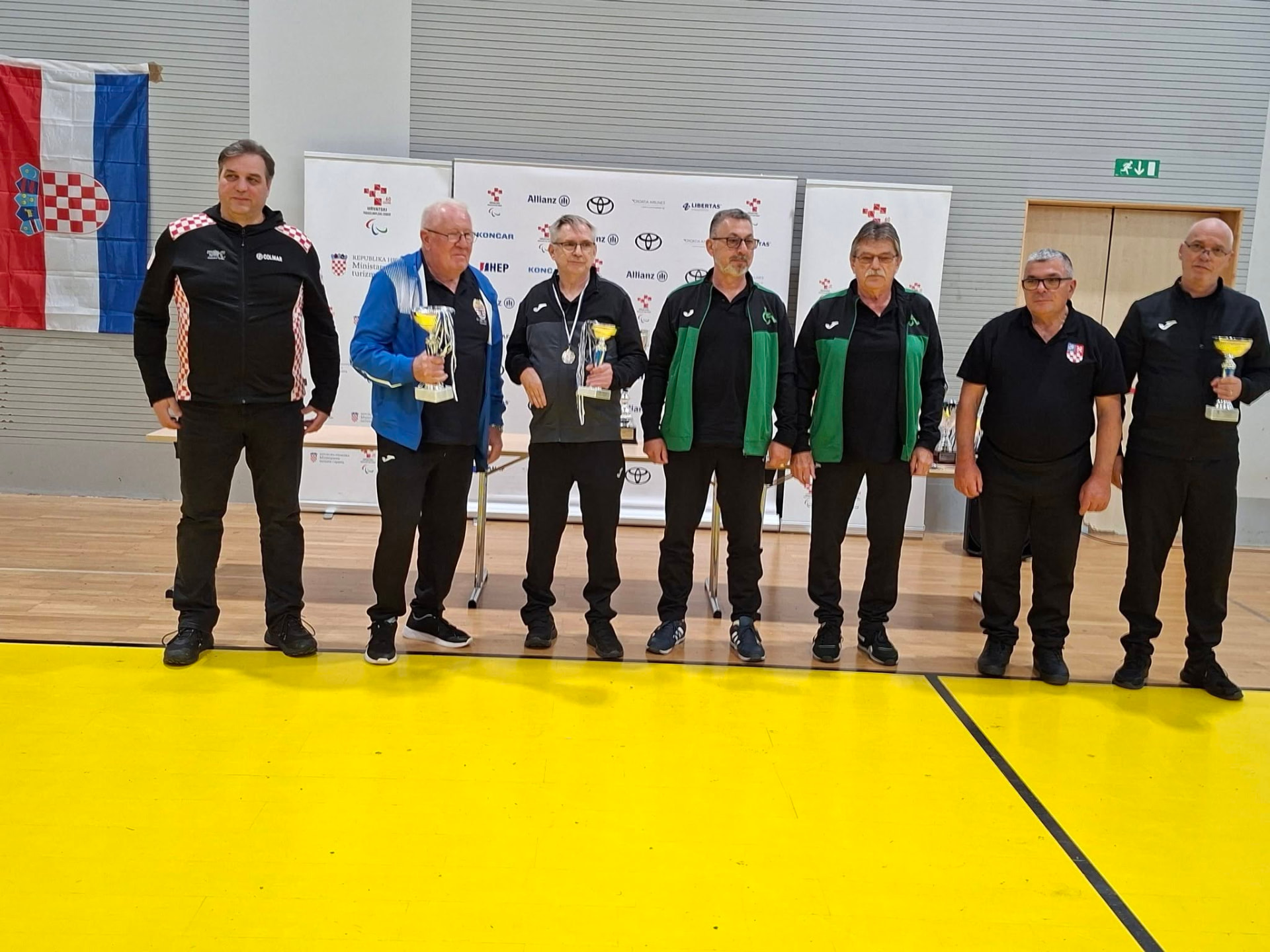
What inclusive sport means
Inclusive sport is sport designed so that people of different abilities can take part together or alongside each other, with rules, equipment and environments adjusted where needed.
Why accessibility matters
If a venue, a set of instructions or a timetable shuts people out, ability never gets a chance to show. Accessibility is the precondition for participation.
The role of adaptive equipment
Sports wheelchairs, ramps, lighter balls, tactile markers and adjustable targets can turn an activity that was out of reach into one that is enjoyable and fair.
Respecting individual abilities
Each person knows their own body and limits best. Inclusive sport starts by asking, listening and building on strengths.
The importance of choice
Participants should be able to choose what they play, how often, and at what intensity — including the choice to watch, try, or stop.
Social participation
For many people the conversation before the game and the coffee after it matter as much as the score.
Teamwork and confidence
Playing a role in a team, being relied upon and celebrating together can build confidence that reaches far beyond sport.
Barriers to participation
- Inaccessible buildings and changing rooms
- Transport difficulties
- Lack of adapted equipment
- Missing or unclear information
- Costs
- Negative assumptions about disability
Encouraging positive attitudes
Positive attitudes grow through contact: seeing people with disabilities play, compete and enjoy sport challenges stereotypes more effectively than any campaign.